Heat retention is the root of the other two differences
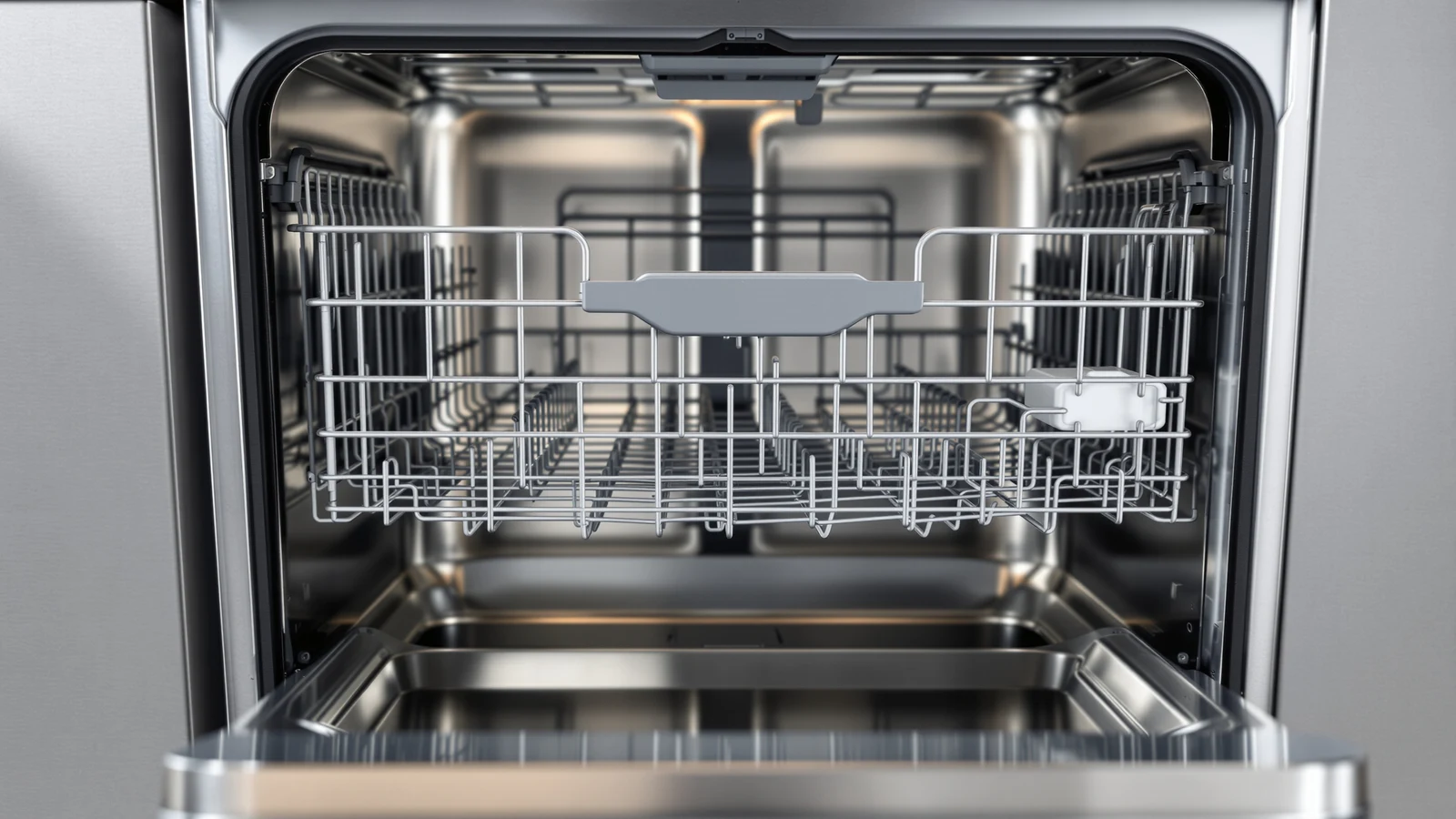
Stainless steel conducts and holds heat far better than injection-moulded plastic, and it tolerates sustained high temperatures without softening or warping. That single physical fact is why steel-tub machines can run hotter final rinses and hold that heat into the drying phase, while a plastic tub has to stay within a temperature band the material can survive without deforming over years of cycles. A hotter tub at the end of a cycle also means the metal itself acts as a small radiator once the pump stops — the interior keeps giving off heat for a few minutes after the wash ends, which does real drying work with no fan and no heating element.
That's the entire mechanism behind "steel dries better" — it isn't a mysterious material property, it's residual heat retention. None of the machines in our database publish a dedicated heated-dry element or a drying-specific decibel figure, so treat any drying claim, ours or the manufacturer's, as a description of the mechanism rather than a measured result.
Odour is a porosity problem, not just a cleaning problem
Plastic is very slightly porous at a microscopic level, and repeated exposure to hot, greasy, detergent-laden water over months etches that surface further, giving bacteria and biofilm more places to root. That's the actual cause of the smell that comes back a day after you wipe a plastic-tub machine down — you're cleaning the visible surface, not the micro-texture underneath it. Stainless steel is effectively non-porous, so there's nothing for odour-causing residue to embed itself in beyond what a normal wipe-down removes. Our companion guide on why a portable dishwasher smells covers the three places odour actually collects — tub, gasket and drain hose — and a steel tub only solves one of the three.
Staining follows the same logic. Tomato-based sauces, turmeric, and other pigmented foods leave a visible tint on plastic that a stainless tub simply doesn't take on in the same way. It's a cosmetic difference more than a functional one, but it's the difference between a five-year-old machine that still looks new and one that looks its age.