01Stainless, standard listing
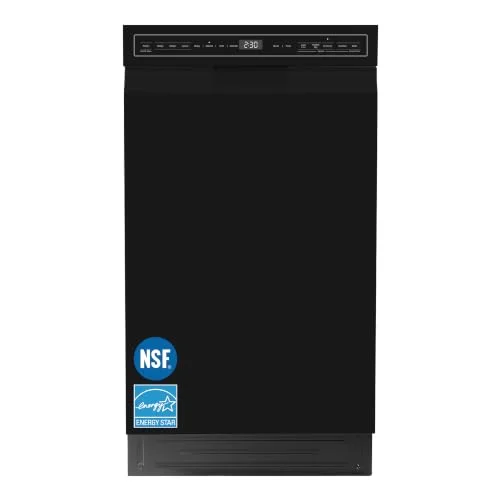
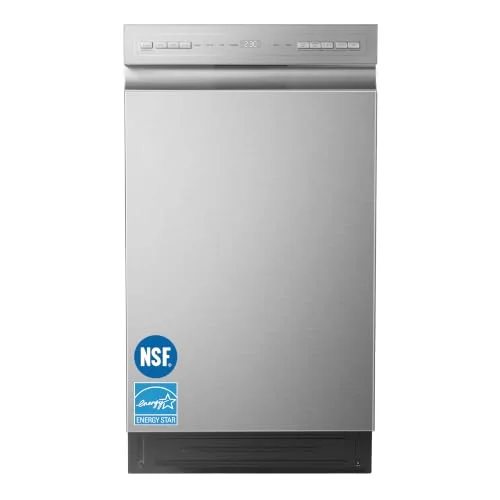
COMFEE' 18-Inch Built-in Dishwasher (B0GHY7STTF)
The reference listing for this platform — start here unless a finish detail below changes your mind
18-inch built-in · stainless steel tub · Energy Star · NSF
This is the baseline listing for COMFEE's NSF-certified 18-inch line: a stainless-steel-tub built-in dishwasher carrying both the Energy Star mark and the NSF listing. The database doesn't give us a place-setting count or a decibel figure for this specific ASIN, so we won't invent one — check the current listing for those details before you order, and treat the tub material and the two certifications as the facts we can confirm.
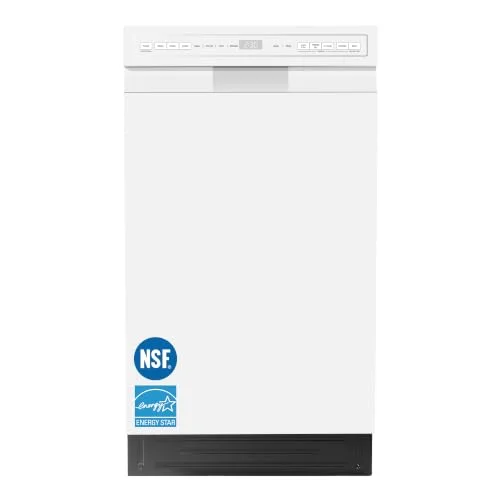
The trade-offAt $379.00 it ties the listing below for the higher of the three prices we track, but that reflects listing fluctuation more than a feature difference — these are close variants of the same machine.