Best Portable Dishwashers
Guide · Who Actually Builds These

Dozens of storefronts. A handful of factories.

Scroll a search results page for "portable dishwasher" and you'll see names that sound like they belong to different companies entirely. Most of them don't. Underneath the storefront branding, this category comes from a short list of manufacturers — and knowing which one built the machine tells you more than the listing title does.

By Ilane Tall · Updated October 17, 2026 · Research-based.

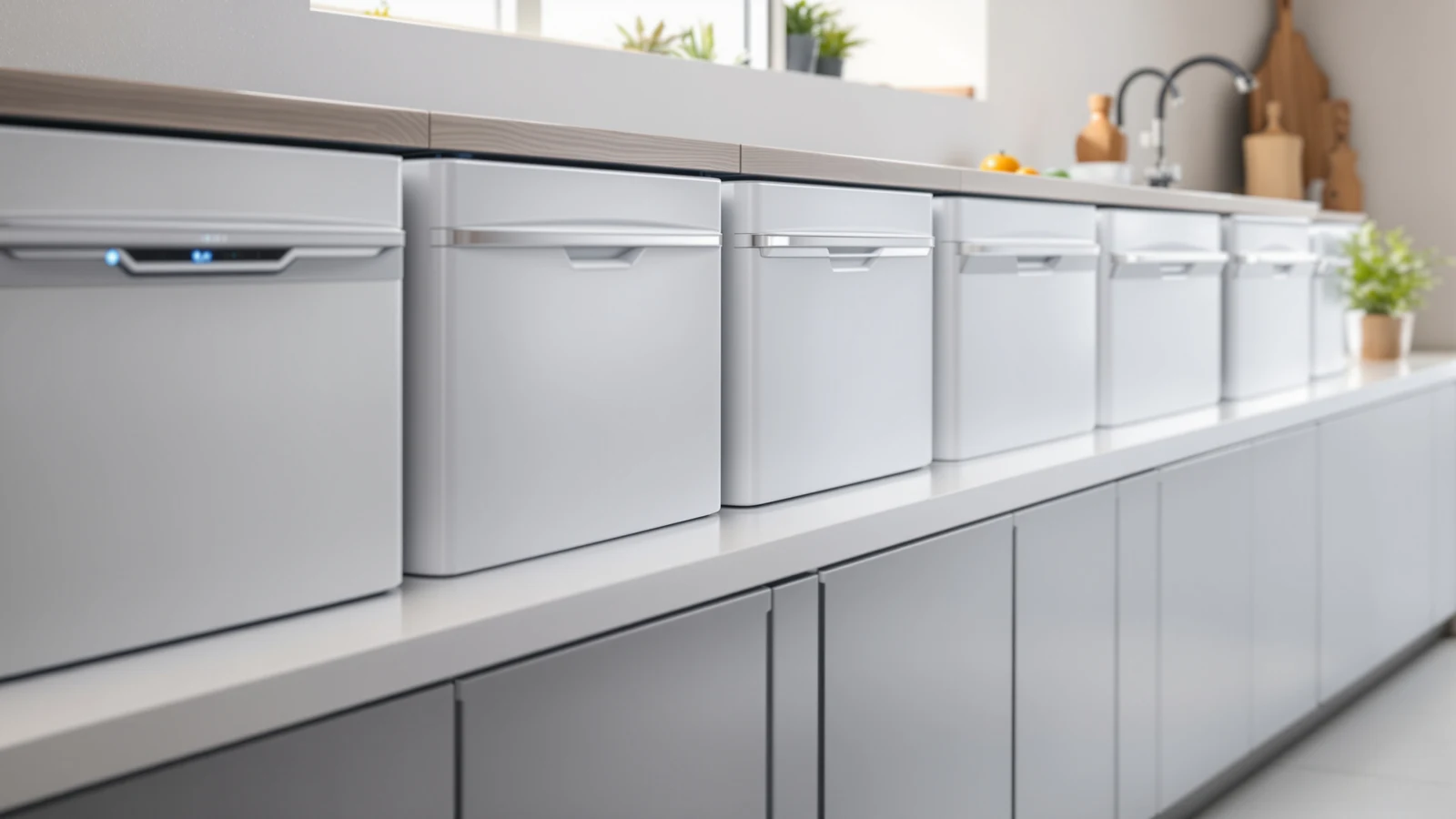
Several portable dishwashers from different storefront brands lined up on a counter, showing how similar the underlying machines look

Reader-supported: we may earn a commission when you buy through the links on this page, at no additional cost to you. Prices move constantly — confirm the live price before you order.

Open ten portable-dishwasher listings on Amazon and you'll find ten different brand names on the box — and, remarkably often, the same tub, the same control panel layout, and dimensions that match to a tenth of an inch. That's not a coincidence and it isn't an accident of photography. A small number of manufacturers design and build the physical machines that most of this category is made of, and a much longer list of brand names simply license, rebadge or private-label that hardware for sale under their own name.

This guide isn't a conspiracy story. Rebadging is normal in consumer appliances — it's how a category gets to market at five price points instead of one. The point of knowing it is practical: when you understand which factory built a machine, you can predict its reliability pattern, its parts availability and its real warranty experience far better than the storefront name alone will tell you. A listing that looks unfamiliar is less risky once you know it's running the same internals as a known platform. One that looks reassuringly branded can be a much bigger gamble if nobody behind the name actually engineers appliances.

How this guide is built

We compare published listings, product specifications and what is publicly documented about each company's product lines — we do not physically test these machines, we do not run a testing lab, and we do not publish star ratings or review counts we cannot verify. Where we describe a company relationship (a parent brand, a licensing arrangement, a marketplace-seller pattern), we're describing publicly known facts about how these companies are structured, not a claim about any single product's performance.

The pattern

Why so many listings trace back to so few manufacturers

Building a compact dishwasher from scratch — the pump, the heating element, the wash arms, the control board, the certifications — is expensive and slow. It's far cheaper for a new storefront brand to buy finished units from an existing factory, put its own name and colorway on the housing, and sell the result as its own product. The factory gets volume without having to build a consumer brand; the storefront gets a sellable product without having to engineer one. Multiply that across a category as fragmented as portable dishwashers, where dozens of Amazon-native brand names compete for the same search terms, and you end up with a market that looks far more diverse on the surface than it is underneath.

The giveaway is almost always in the details a marketing department doesn't bother to change: identical external dimensions down to a tenth of an inch, the same cycle names in the same order, the same control panel icon set, even the same typos carried over from one listing's bullet points to another's. None of that is proof of fraud — it's exactly what you'd expect from shared manufacturing. But it does mean the brand name on the box is a much weaker signal of who made the dishwasher than most buyers assume, and a much weaker signal of support and parts availability than it looks.

That matters more here than in categories like phones or laptops, because a dishwasher is a water appliance you expect to still be running in three or five years. Knowing the actual manufacturer — rather than the storefront — is the closest thing to a reliability signal this category offers, short of a verified review history, which Amazon's own product data doesn't currently expose for most of these listings.

The 18-inch platform

SPT, and the SD-9263/SD-9254 family behind most 18-inch listings

If you've compared full-size, freestanding 18-inch portable dishwashers — the kind that roll on castors and hook onto a faucet rather than sit on the counter — there's a good chance you've been comparing variations on the same underlying platform. SPT (Sunpentown) has built this 18-inch chassis for years, and its SD-9263 and SD-9254 model numbers show up, sometimes under SPT's own name and sometimes relabeled, across a large share of the full-size portable category. The differences between the SD-9254 and SD-9263 specifically come down mostly to finish and minor control revisions rather than a different machine underneath.

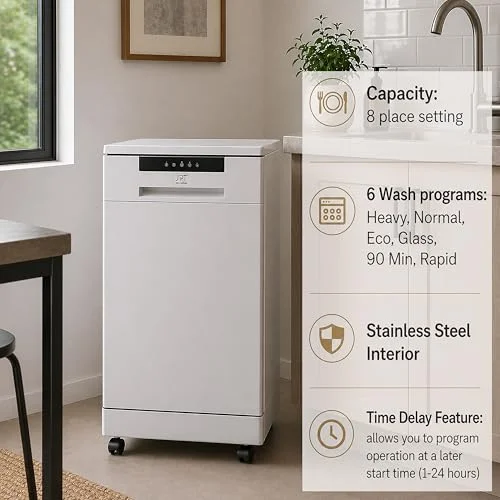
The SPT SD-9263W — listed at $626.51 at the time of writing, 18 inches, with an ENERGY STAR certification — is a representative example: eight place settings, a six-cycle program set, and the white finish that marks it as the entry point into the SD-9263 line (a stainless version of the same chassis typically costs a little more). Because this platform underpins so much of the 18-inch category, the practical lesson is to compare the SD-9263/SD-9254 family against each other on price and finish before assuming a differently branded 18-inch machine is a materially different product — it may simply be the same platform at a different markup.

What this does and doesn't tell you: SPT has a long track record specifically in this chassis, which is a point in its favor relative to a brand-new storefront entrant with no manufacturing history at all. It doesn't mean every SD-9263-based listing offers identical support, since the company selling it to you — not necessarily SPT — is who you'll be dealing with for warranty questions on a rebadged unit.

The parent brand

COMFEE' and Midea: a storefront brand with a real parent company

COMFEE' is a case worth understanding precisely, because it demonstrates the opposite pattern from an anonymous rebadge: a storefront-facing brand name that is, in fact, owned and engineered by a large, established appliance manufacturer. COMFEE' operates as a consumer-facing brand of Midea, one of the largest home-appliance manufacturers in the world, with its own factories, its own engineering teams and a long history of building compressors, motors and compact appliances for multiple brands and markets. The relationship is closer to a product line within a manufacturing conglomerate than a marketplace reseller putting a sticker on a generic box.

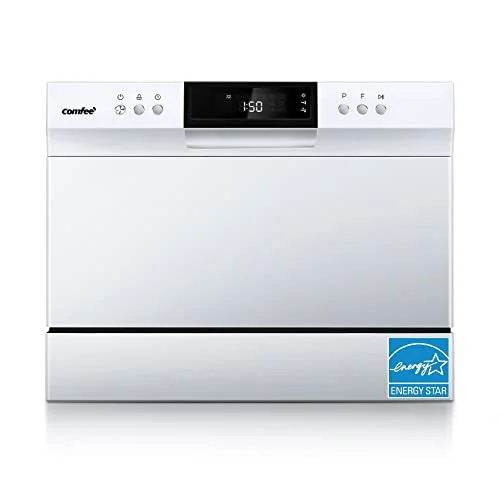
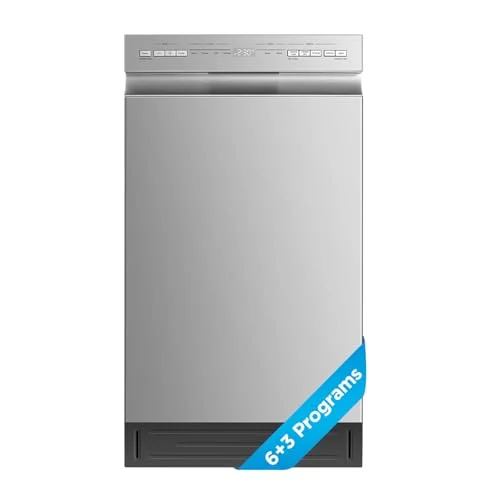
That shows up directly in this category. The COMFEE' Countertop Dishwasher, 6 Place Settings — $259.99, ENERGY STAR certified, with external dimensions of 19.7"D x 21.6"W x 17.2"H — carries the COMFEE' name, but the company behind it also sells appliances under the Midea name directly, including the Midea 18 Inch Built-in Dishwasher, 8 Place Settings, Stainless Steel Tub at $498.97 (also ENERGY STAR certified). These are two different products aimed at two different buyers — a countertop machine with a built-in tub versus an 18-inch built-in unit — but they share a parent company's engineering and supply chain, which is a meaningfully different situation from two unrelated brands that happen to look similar.

The practical takeaway: when a storefront brand name turns out to be a line within a company you can independently verify has manufacturing scale — as COMFEE' does with Midea — that's a stronger signal than an unfamiliar name with no traceable parent at all. It doesn't guarantee any individual unit performs flawlessly, but it does mean there's an actual engineering organization behind the listing, not just a logo.
The marketplace pattern

AIRMSEN and the rebadged-listing pattern specific to marketplace sellers

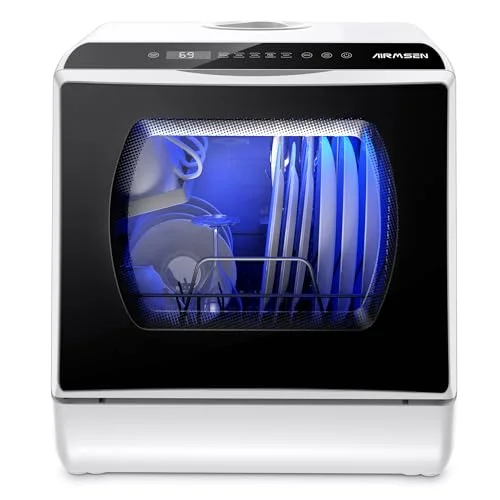
AIRMSEN represents the pattern this guide is really about: a brand name that exists primarily as an Amazon storefront, built around rebadging a shared base design rather than a traceable, independent manufacturing history. The AIRMSEN Portable Countertop Dishwasher, No Hookup Needed — $319.99 — is a tank-fed countertop unit aimed at exactly the buyer who has no usable faucet. It's a legitimate product category and a legitimate price point. What's distinct about AIRMSEN specifically is how many near-identical listings carry the same name or close variants of it, with the same photography angles and the same bullet-point structure repeated across SKUs, which is the signature of a marketplace brand licensing or sourcing a shared design rather than running its own factory line. We go through that pattern listing by listing in AIRMSEN's portable dishwasher lineup, explained.

None of this means an AIRMSEN unit is a bad purchase — tank-only countertop machines solve a real problem for kitchens with no workable tap, and the no-hookup design is exactly what a renter with a sprayer faucet needs. The caution is about expectations: a marketplace brand without an independent manufacturing track record is a different kind of bet than a product line backed by a company like Midea. Treat the warranty terms and the seller's own return policy as the real safety net here, rather than the brand name on the box, because the brand name is doing less work than it appears to.

The exception

GE Profile: the one legacy appliance brand in this category

GE Profile stands apart from everything above it in this guide, because it is the one name here with a continuous, decades-long history as a full-line American appliance manufacturer rather than a storefront brand built around sourcing a shared platform. GE Appliances — the business that makes and sells GE, GE Profile and Café-branded products — has been owned by Haier since 2016, but it operates its own engineering, its own US-based support infrastructure and its own parts network, independent of the rebadging pattern that defines most of the rest of this category. That history is a general fact about the company, not a claim about how any one unit performs, but it's a real difference in kind from a brand with no independent manufacturing record at all.

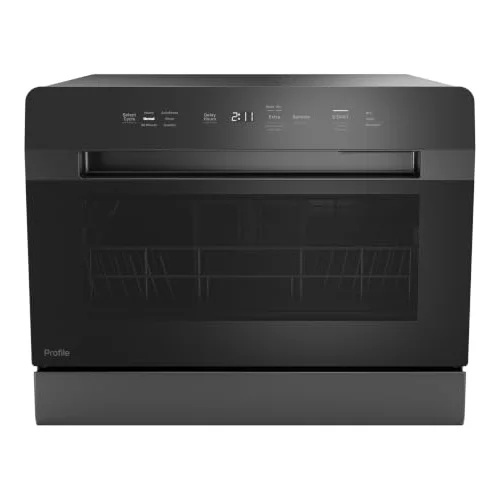
The GE Profile Countertop Dishwasher — model PZF560HGWBB, $468.35, with six wash cycles, six place settings, WiFi connectivity through GE's SmartHQ platform and built-in installation capability — reflects that difference in price and positioning: it's the most expensive countertop machine among the five products in this guide, and the one most clearly aimed at a buyer who wants the install flexibility and brand backing of a legacy manufacturer over the lower price of a marketplace-native brand. Whether that premium is worth it depends on how much you value a traceable support chain versus saving $150-200 on a countertop unit with a shorter corporate history — a trade-off we work through directly in price per place setting: which portable dishwasher is the best value.

The picks

One pick per manufacturer story

Not a ranked "best overall" — each of these represents a different answer to "who actually made this."

0118-inch platform

SPT SD-9263W 18″ Energy Star Portable Dishwasher

For the buyer comparing full-size 18-inch portables and wanting a manufacturer with a track record in that exact chassis
Freestanding, 18″ · 8 place settings · ENERGY STAR · white finish

SPT has built the SD-9263/SD-9254 platform long enough that its 18-inch chassis shows up repeatedly across the category, sometimes under SPT's own name and sometimes relabeled by other sellers. Buying the SPT-branded version directly means dealing with the company that actually designed the machine rather than an intermediary reselling the same hardware.

The trade-offAt $626.51, it's priced in line with the rest of the 18-inch class, so the manufacturer-direct advantage here is about support and parts clarity, not price.

SPT SD-9263W 18-inch portable dishwasher in white
$627
18-inch, 8 settingsCheck price →
02Midea family

COMFEE' Countertop Dishwasher, 6 Place Settings

For a buyer who wants the reassurance of a manufacturer backed by a large, verifiable parent company
Countertop · 6 place settings · 19.7"D x 21.6"W x 17.2"H · ENERGY STAR

COMFEE' is a consumer brand of Midea, one of the largest home-appliance manufacturers globally. That parent relationship is the clearest case in this guide of a storefront-facing name with real engineering behind it, rather than a brand built purely around rebadging someone else's design.

The trade-offAt 21.6 inches wide and faucet-only, it's one of the larger footprints among countertop machines — check your worktop and your faucet's aerator threads before ordering.

COMFEE' countertop dishwasher, 6 place settings
$260
Midea familyCheck price →
03Same parent, 18-inch

Midea 18 Inch Built-in Dishwasher, 8 Place Settings

For a buyer who wants the Midea engineering directly, under Midea's own name, in the full-size class
18-inch, built-in capable · 8 place settings · stainless steel tub · ENERGY STAR

Where COMFEE' is Midea's countertop-facing brand, this listing carries the Midea name directly on a larger, 8-place unit with a stainless tub. It's useful evidence that the parent company's engineering spans both the small countertop class and the larger 18-inch class, under two different storefront identities.

The trade-offAt $498.97, it sits between the cheaper countertop machines and the priciest 18-inch rolling units — confirm whether your kitchen needs a true built-in or a freestanding unit before buying, since the two aren't interchangeable installs.

Midea 18 Inch Built-in Dishwasher, 8 Place Settings
$499
8 place settingsCheck price →
04Marketplace brand

AIRMSEN Portable Countertop Dishwasher, No Hookup Needed

For a buyer who understands they're choosing a marketplace-native brand and is pricing that in
Countertop, tank-fed · no hookup needed

A legitimate answer to the no-faucet problem, and a clear example of the marketplace-brand pattern: a storefront name built around a shared design rather than an independently traceable manufacturing history. See AIRMSEN's lineup explained for how many near-identical listings carry close variants of this name.

The trade-offAt $319.99, treat the seller's own return and warranty policy as the real safety net, since the brand name carries less independent manufacturing weight than COMFEE' or GE Profile do.

AIRMSEN Portable Countertop Dishwasher, No Hookup Needed
$320
Tank, no hookupCheck price →
05Legacy brand

GE Profile Countertop Dishwasher, WiFi Connected

For a buyer who wants a legacy American appliance brand's support network over a marketplace brand's lower price
Countertop or built-in · 6 place settings · 6 wash cycles · WiFi, SmartHQ · model PZF560HGWBB

GE Appliances has operated continuously as a full-line manufacturer for decades, now under Haier's ownership since 2016, with its own US support and parts infrastructure — a different kind of company than any marketplace-native brand in this category. This unit also installs three ways: countertop, built-in or under-sink, which most of the rebadged competition doesn't offer.

The trade-offAt $468.35, it's the most expensive countertop unit in this guide, and the WiFi connectivity matters less than the install flexibility and the brand's parts network — buy it for those, not the app.

GE Profile Countertop Dishwasher, WiFi Connected
$468
3 install optionsCheck price →
At a glance

The five, by manufacturer relationship

All figures are manufacturer specifications; prices are approximate and keep moving.

ListingManufacturer relationshipClassPrice
SPT SD-9263WSPT — direct, long-running 18-inch platform18-inch, freestanding$626.51Price
COMFEE' 6-Place CountertopMidea — storefront brand, verifiable parentCountertop$259.99Price
Midea 18-Inch Built-inMidea — direct, same parent as COMFEE'18-inch, built-in capable$498.97Price
AIRMSEN CountertopMarketplace-native brand, shared base designCountertop, tank-fed$319.99Price
GE Profile CountertopGE Appliances (Haier) — legacy full-line manufacturerCountertop, built-in or under-sink$468.35Price
The payoff

Why knowing the manufacturer matters more than the storefront name

None of this is about declaring marketplace brands bad and legacy brands good. A tank-fed AIRMSEN unit genuinely solves the no-faucet problem better than anything GE Profile sells, because GE doesn't build a tank-only model in this lineup at all. The point is narrower and more useful: the storefront name tells you almost nothing about who stands behind the machine, and the manufacturer relationship tells you quite a lot.

Three practical uses for this. First, when two listings look suspiciously identical in dimensions and cycle layout, that's usually shared manufacturing, not coincidence — it means you should compare them on price and seller policy rather than assuming one is a meaningfully different product from the other. Second, a traceable parent company — Midea behind COMFEE', Haier behind GE Appliances — is a real signal about parts availability and warranty follow-through years down the line, which matters for an appliance you expect to keep past the return window. Third, an unfamiliar brand name isn't automatically a red flag, but it should shift your attention toward the seller's own return policy and away from the brand name itself, since that name may be doing far less work than it appears to.

The honest summary: buy for the specification, the price and the water-source fit your kitchen actually needs, and treat the manufacturer relationship as a tie-breaker and a support-expectations check — not the headline reason to choose one listing over another. A $280 countertop machine from a verifiable manufacturer and a $320 marketplace-brand tank unit can both be the right choice, for different kitchens.

FAQ

Common questions about who makes these machines

Does the same company really make dishwashers sold under different brand names?

Yes, this is standard in appliance manufacturing, not unusual or deceptive on its own. A factory builds a chassis once and licenses or sells it to multiple storefront brands, each of which applies its own name, color options and minor control tweaks. The SPT SD-9263/SD-9254 platform is a documented example in the 18-inch class, and the pattern repeats across countertop machines from marketplace-native brands.

Is COMFEE' the same company as Midea?

COMFEE' operates as a consumer-facing brand of Midea, one of the largest global home-appliance manufacturers. They are not unrelated companies wearing similar names — COMFEE' is a product line within Midea's broader manufacturing and engineering operation, which is why Midea-branded and COMFEE'-branded listings can share underlying engineering.

Is GE Profile still made by General Electric?

GE Appliances — the business that makes GE, GE Profile and Café products — has been owned by Haier since 2016, operating independently of General Electric's other businesses. It remains a full-line appliance manufacturer with its own engineering and US-based support and parts network, which is a different structure from a marketplace-native brand with no manufacturing history of its own.

Does it matter if a brand I haven't heard of actually makes the dishwasher?

It matters less for whether the machine washes dishes adequately and more for what happens after year one: parts availability, warranty follow-through and resale information. An unfamiliar brand isn't automatically unreliable, but without a traceable manufacturing history, the seller's own stated return and warranty policy becomes the real protection, rather than the brand name on the box.

Keep reading

Next, from this site