01Most interior room
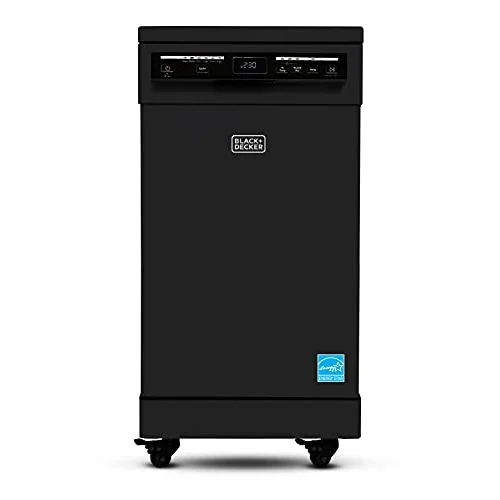
BLACK+DECKER 18-Inch Portable Dishwasher
For households that regularly run a saucepan or mixing bowl through the wash
Freestanding, 18 inches wide · faucet-connect · ENERGY STAR
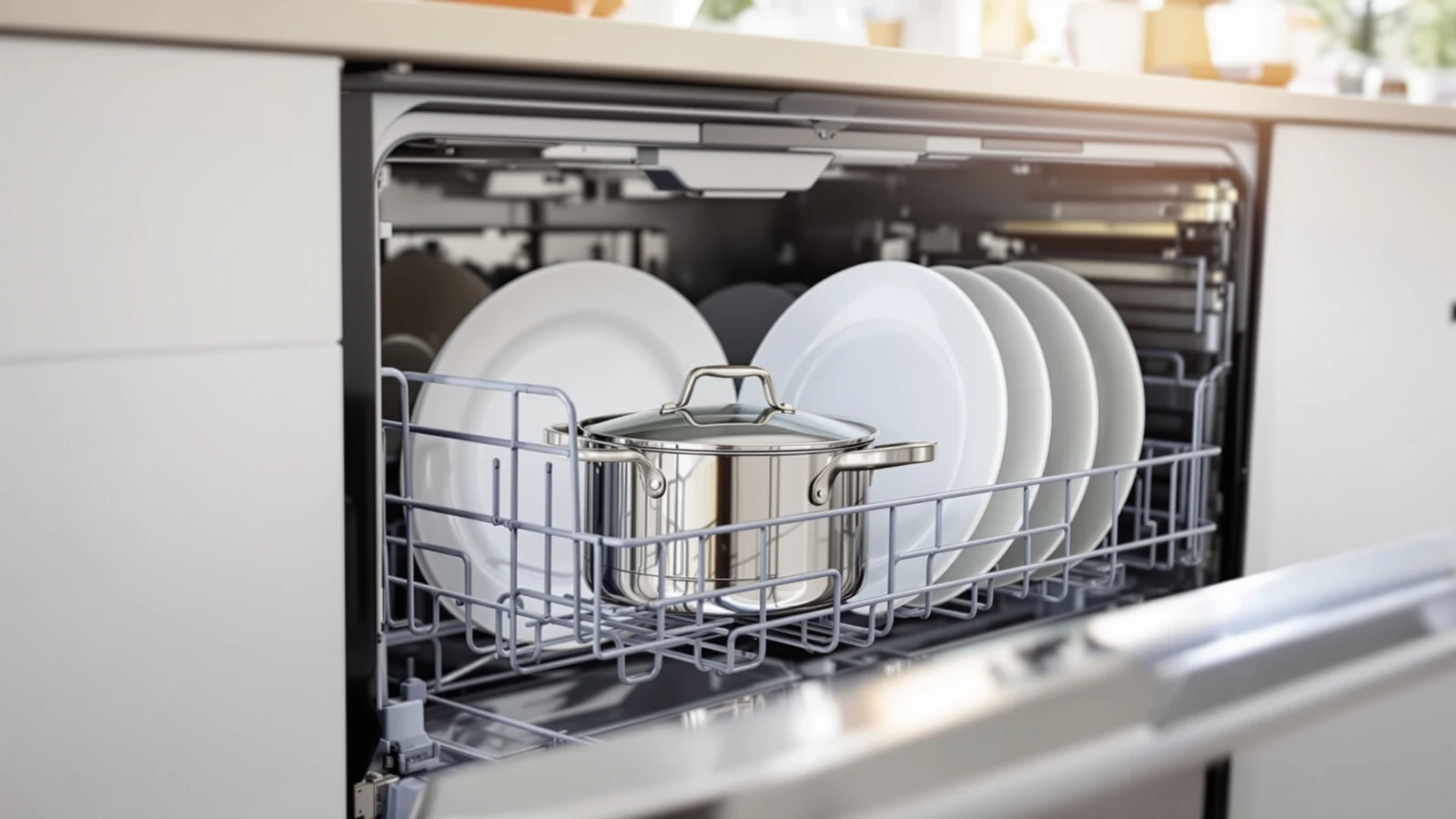
The only machine in this comparison built as a full-height, freestanding cabinet rather than a countertop box, which gives it more three-dimensional space to work with before a tall item reaches the spray arm. That structural difference — not a specific published clearance figure, which isn't available for this model — is why it's the pick if cookware is a regular part of your load rather than an occasional exception.
The trade-offIt needs real floor space and a path to the sink, and at roughly double the price of the countertop machines here, it's a meaningful commitment to make on the strength of a size advantage we can't put an exact number on. Check current dimensions on the listing against your own cookware before ordering.